
Dialysis Infection Prevention
What is Dialysis?
The kidneys are essential organs that filter blood to remove toxins and extra fluid from the body. When someone is in kidney failure, dialysis treatments may be necessary to perform these functions. Depending on the type of care needed, dialysis may take place in a variety of settings. Infection prevention and control practices should be in place to prevent healthcare-associated infections in each type of setting.
Key Terms
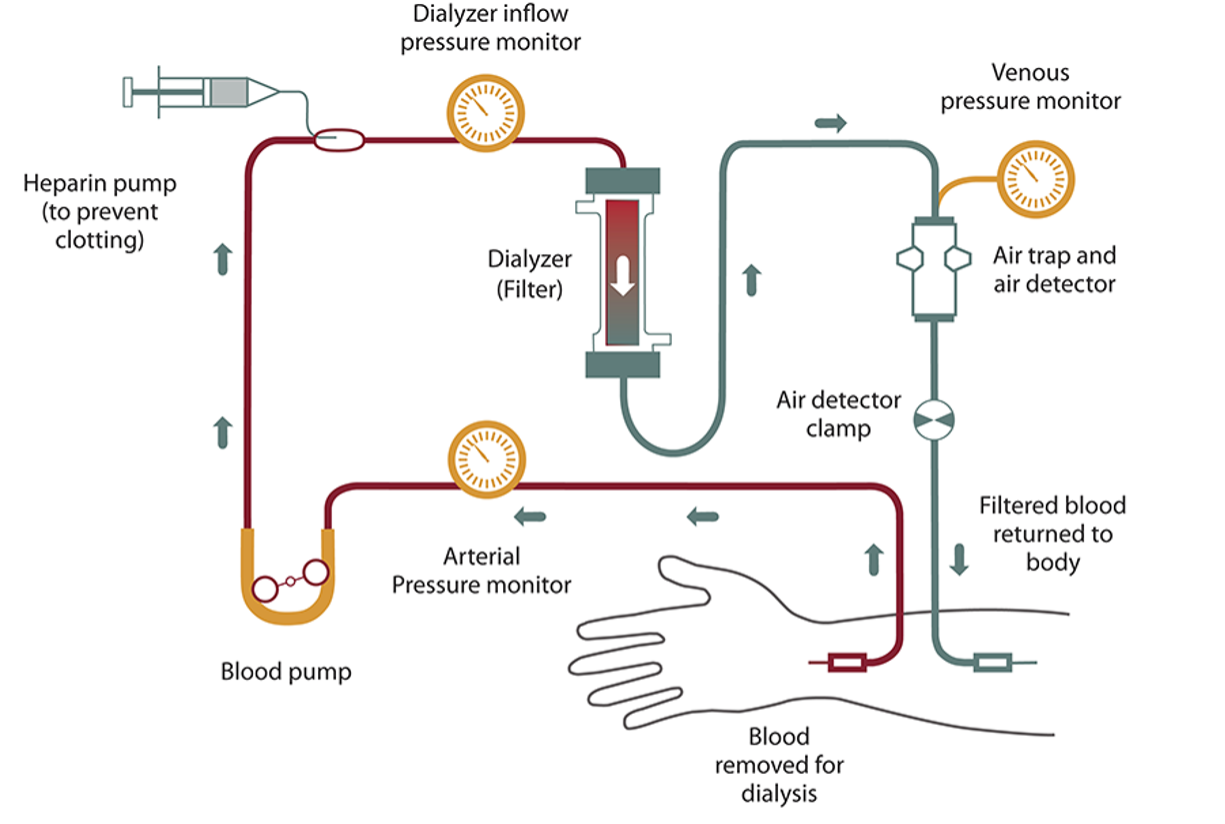
- Hemodialysis: This is the most common type of dialysis. A machine filters toxins and extra fluid from the blood through an artificial kidney, known as a dialyzer, and returns the blood back to the body through an access site.
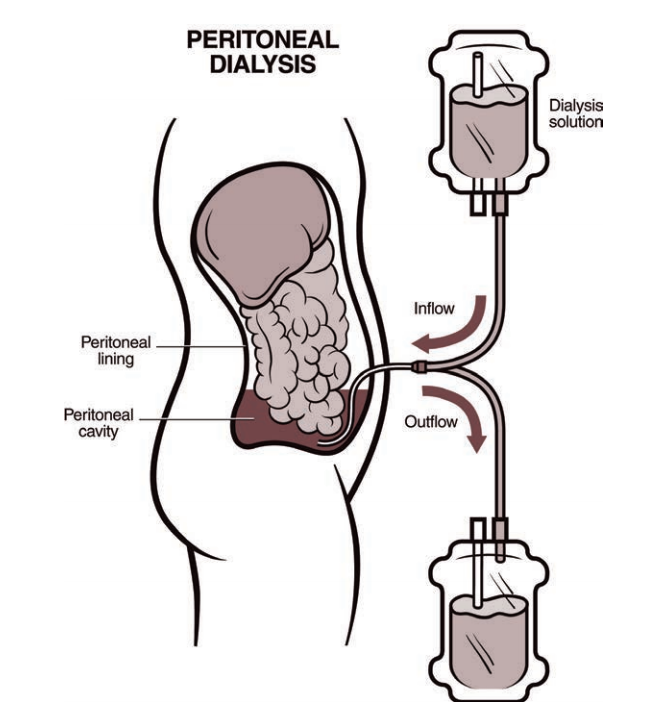
- Peritoneal Dialysis: This type of dialysis uses blood vessels in the lining of the abdomen (peritoneum) to act as an artificial kidney by filtering toxins and extra fluid from the blood.
- Arterial Venous Fistula (AVF): This is a surgical procedure done to connect a patient’s artery and vein to create a permanent access site.
- Arterial Venous Graft (AVG): This is a surgical procedure done to implant a synthetic tube that connects a patient’s artery and vein to create a permanent access site.
- Central Venous Catheter (CVC): This is a surgical procedure done to insert a thin flexible tube into a blood vessel in the neck or upper chest with the tip in the right atrium of the heart.
Types of Dialysis
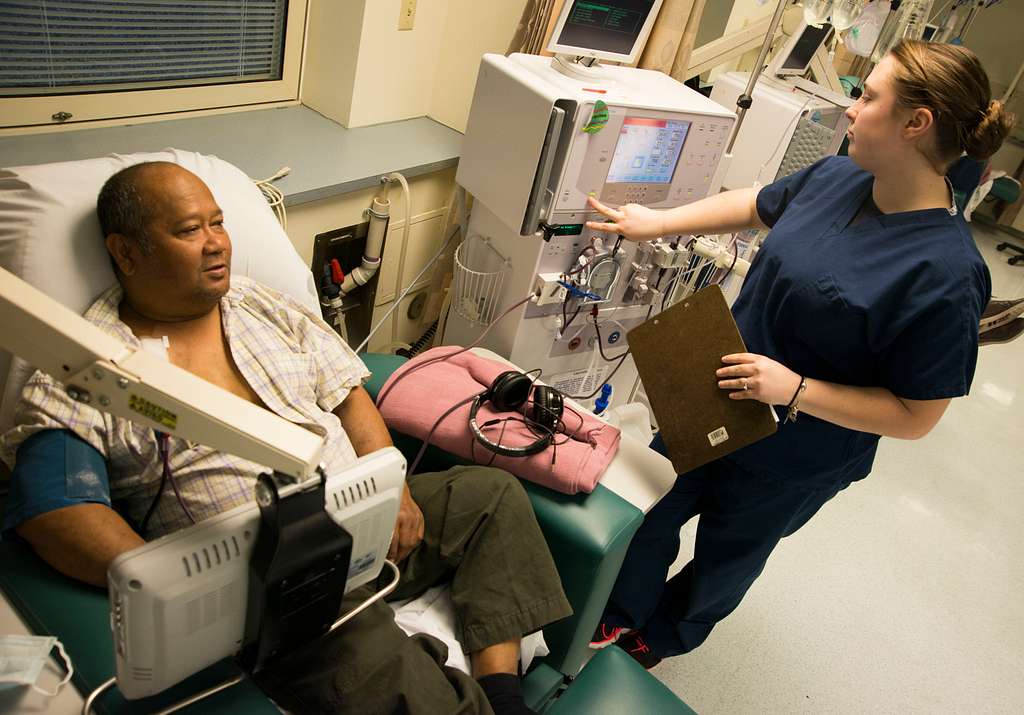
Most patients on dialysis will require treatments three times per week. Treatments are usually provided by specially trained dialysis staff. Dialysis settings include outpatient dialysis facilities, inpatient hospitals, skilled nursing facilities, and the patient's home.
Hemodialysis
Hemodialysis uses an AVF, AVG, or CVC as an access site. These access sites allow blood to be pumped from the body into a machine to be filtered. The blood is then returned to the body.
Peritoneal Dialysis
Peritoneal dialysis uses a thin tube, known as a peritoneal catheter, that is surgically placed into the peritoneum. The peritoneal catheter filters blood by moving fluid in and out of the peritoneal cavity. This kind of dialysis is usually done in the patient’s home.
Infection Risks
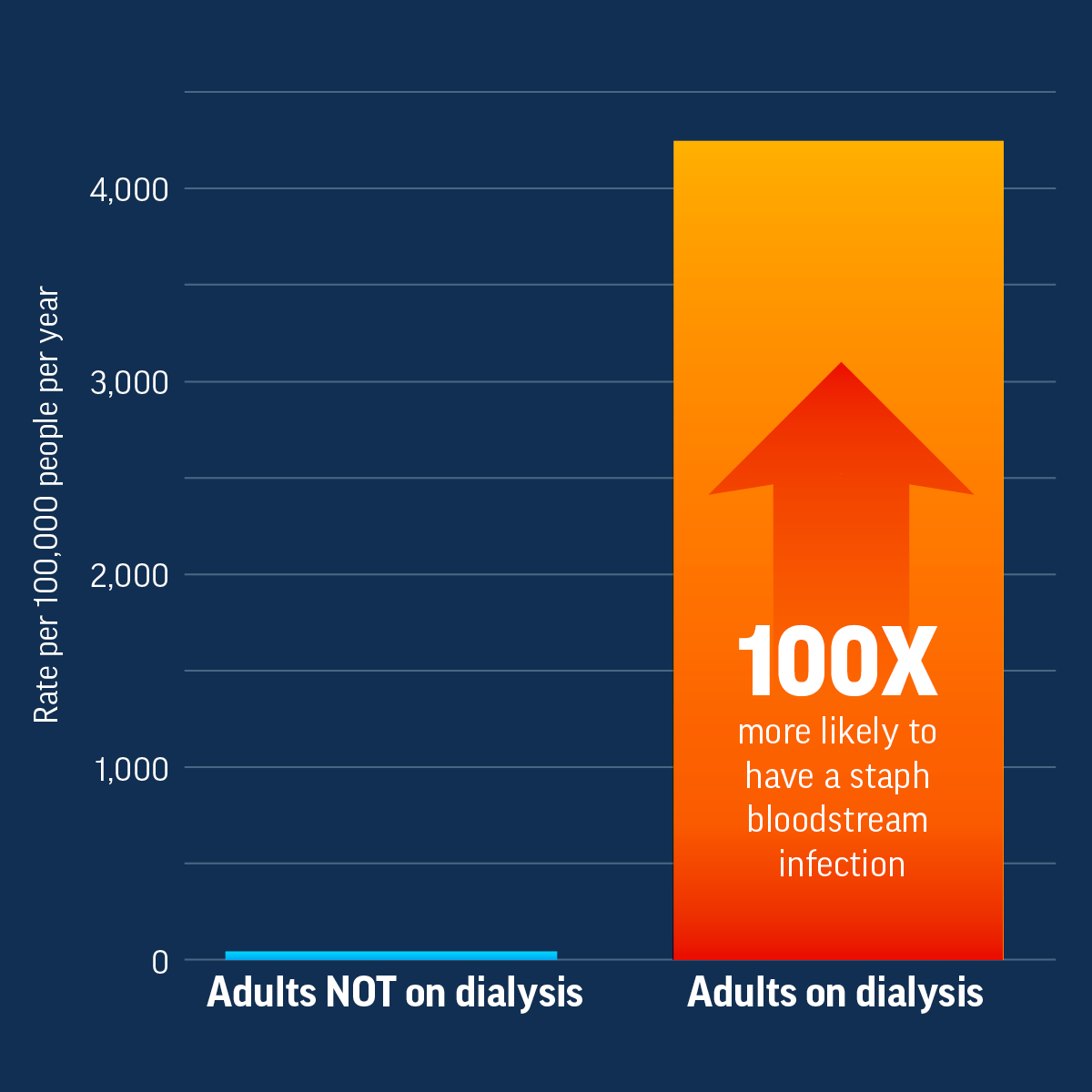
Infections are common among patients on dialysis. Bloodstream infections, most commonly Staphylococcus aureus (staph), are one of the leading causes of death for those on dialysis. Additionally, being on dialysis greatly raises a patient's' risk for bloodborne diseases such as hepatitis B, hepatitis C, and HIV. There are several infection risk factors associated with dialysis. Major infection risk factors include the following.
Dialysis Access Type
CVCs are the access type with the highest risk of infection. Reducing the use of CVCs by utilizing lower risk access types, such as AVFs, can help prevent bloodstream infections.
Environmental Contamination
Dialysis facilities have many surfaces and pieces of equipment, such as dialysis machines, treatment chairs, and blood pressure cuffs, that need proper cleaning and disinfection between each patient. Cleaning and disinfection and proper hand hygiene practices are some of the easiest ways to prevent bloodstream infections from spreading among patients.
Waterborne Pathogens
Most dialysis facilities use a special water system for treatments. Improper water management plans may expose patients on dialysis to waterborne pathogens. Ensuring that water used to perform treatments is held to the Association for the Advancement of Medical Instrumentation (AAMI) standards can help reduce the risk of waterborne infections.
Resources
Patients
- Access Site Infection Prevention
- Hand Hygiene Infection Prevention
- National Kidney Foundation Hemodialysis Diagram
- National Kidney Foundation Peritoneal Dialysis Diagram
- Dialysis Infection Facts
- CDC Dialysis Bloodstream Infection Rate
- Visit YouTube for a video addressing patient advocacy for dialysis infection prevention.
Providers
- Dialysis Infection Prevention Puzzle Pieces
- CDC Core Interventions for Dialysis Bloodstream Infection Prevention
- CVC Scrub the Hub Protocol
- Dialysis Station Routine Disinfection Checklist
- Dialysis Facility Environmental Cleaning
- AAMI Standards
- Visit YouTube for a video addressing dialysis infection prevention practices for providers.
Role of ADPH In Dialysis Infection Prevention
ADPH is a member of CDC's Making Dialysis Safer for Patients Coalition, a national partnership of organizations and individuals that have committed to promoting the use of CDC's Core Interventions and resources to prevent dialysis bloodstream infections. ADPH's dialysis program maintains a strong relationship with the End Stage Renal Disease Network to provide education and resources to dialysis settings. Since dialysis facilities do not routinely report outbreaks, ADPH is working to provide more outreach to these facilities to help support outbreak prevention and response activities.
Page last updated: May 1, 2026