
Foodborne Diseases
ADPH’s mission is to protect the residents of Alabama and prevent illness by monitoring and investigating foodborne diseases. To accomplish these tasks, ADPH interviews cases of select diseases to identify commonalities, monitor trends over time, and target education initiatives for cases and health professionals. With timely and complete reporting of these foodborne diseases, ADPH is able to implement control measures to reduce illnesses, hospitalizations, and deaths.
Contaminated Food & Drinks
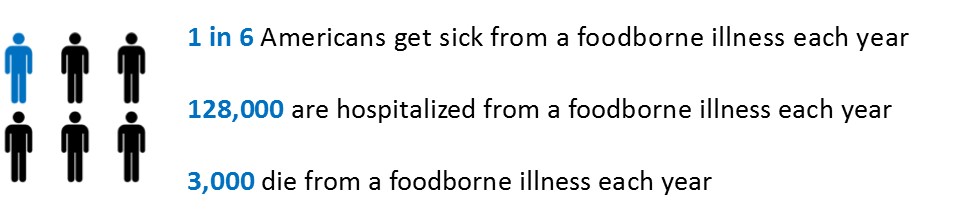
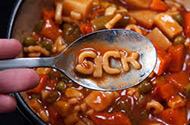
The foods we eat can be contaminated in so many ways. Bacteria can enter the food when it is being made or grown, when it is being distributed and transported, and when it is being prepared in your home or at a restaurant.
Bacteria can contaminate food and drinks if:
- People or workers who are infected prepare or serve food to others
- Contaminated water that is used to wash or grow food
- Kitchen tools and surfaces can become contaminated by raw food products (i.e. meat and poultry)
- Infected animals are used to produce dairy and meat products
Learn more about the food production chain and how food gets contaminated.
 |
 |
 |
Cyclospora Spotlight
The U.S. is experiencing a national outbreak of cyclosporiasis linked to shredded iceberg lettuce. Cyclosporiasis is a gastrointestinal illness caused by the parasite Cyclospora cayetanensis. Cases are most commonly reported from May through August. Most domestic cases are linked to eating contaminated fresh produce, such as basil, cilantro, leafy greens, snow peas, berries, and melons.
Primary symptoms of cyclosporiasis include: watery diarrhea, fatigue, and loss of appetite. Other symptoms may include: stomach cramps, bloating, nausea, and weight loss. Symptoms usually begin about one week after infection (ranging from 2 days to over 2 weeks). Without treatment, symptoms can last from a few days up to a month or longer. Learn more about cyclosporiasis from the CDC.
News Release - Alabama Department of Public Health (ADPH) Updates Public on Cyclosporiasis Cases and Food Safety Guidance (07/22/26)
ADPH has provided case count updates on Facebook.
Salmonella Spotlight
Salmonella are bacteria and a common cause of foodborne illness (sometimes called food poisoning). Infections caused by Salmonella result in more hospitalizations and deaths than any other foodborne illness in the United States. In recent years, large outbreaks of illness caused by Salmonella-contaminated eggs and poultry products have made headlines. Older adults, infants, and people with weakened immune systems are more likely to have a serious illness.
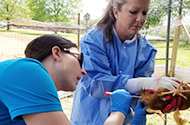
Salmonella is also a concern for individuals who own or have frequent contact with backyard poultry. Every year, there are outbreaks of Salmonella related to baby chicks. Watch a story of one young boy's illness associated with baby chicks. For more information about how to prevent disease from backyard poultry, visit One Health.
Key Facts
- CDC estimates 1 million people in the United States get sick from eating food contaminated with Salmonella.
- The illness usually lasts 4-7 days and most people recover without treatment.
- In rare cases, people may become seriously ill with Salmonella.
- About 400 people die each year from Salmonella infection.
- Children are the most likely to get food poisoning from Salmonella.
- Salmonella causes $365 million in direct medical costs annually.
Learn more about Salmonella from the CDC.
Foodborne Illness News
Page last updated: August 7, 2026


